
Define the roof problem before arranging panel removal
Start with the roof symptom and its position. Describe the affected room, when water appears and which roof slope holds the array. A panel above a ceiling mark does not prove that its mounting caused the leak. Water can travel from a higher flashing or roof junction. Equally, a recent solar installation is relevant history and should be recorded. Ask for an investigation that distinguishes visible defects from areas hidden by the array, rather than accepting an assumption in either direction.
In a Toowoomba home with several roof faces, a simple sketch can prevent confusion between the front array, a garage array and a separate hot-water collector. Mark these as seen from the street and include the location of the internal symptom. Ground-level photographs and existing installation paperwork are enough for the initial enquiry. You do not need to climb up to count brackets or look underneath modules. Let the people planning safe access determine what they need to inspect.
Request a clear access decision: can the relevant roof detail be assessed with the array in place, is a limited section obstructing it, or does the planned roof work require broader removal? The answer should explain which work area becomes accessible. A statement that 'solar must come off' without a marked area can lead to unnecessary handling or, conversely, too little access for a proper repair.
Put an owner against every handover
There are several separate responsibilities: electrical assessment, system isolation and removal, roof repair, preparation for remounting, reinstatement, and electrical testing. Ask which contractor owns each one and who coordinates dates. A roofer may arrange another trade, or you may engage the solar contractor separately. Either arrangement needs a written boundary. Confirm whom to call if the roof is ready but the solar team is delayed, and who secures stored equipment in the meantime.
Queensland's Electrical Safety Office advises that solar systems need appropriate inspection and maintenance and that roof access is risky. WorkSafe Queensland also warns that solar supply cables can remain energised even when the main switch is off. Do not interpret a shutdown switch or a dark inverter display as permission to handle modules, connectors or cabling. Have the electrical work carried out by an appropriately licensed electrician. The homeowner's role is to organise the scope and retain records.
Name the person who decides that the roof is ready for reinstatement. The roof contractor should document completed concealed work before rails or modules hide it again. The solar contractor should confirm whether the reinstatement arrangement is suitable for the repaired roof. A shared completion date alone is not a handover. A useful handover includes the marked roof area, photographs, outstanding items and permission to proceed from the relevant contractor.
| Project | Key decision | Handover evidence |
|---|---|---|
| Leak beneath existing array | Which area genuinely needs access? | Marked investigation and repair photographs |
| New solar on an older roof | What roof work should precede installation? | Roof condition findings and agreed preparatory scope |
| One-slope replacement | Can retained and replaced areas be coordinated? | Roof boundary and mounting interface plan |
| Full reroof | How are removal and reinstatement scheduled? | Separate roof and electrical completion records |
Collect the records that avoid a second investigation
Find the original solar invoice, system layout, module and inverter information, installer contact and any maintenance records. Include known changes since installation, such as a replacement inverter, additional panels or earlier roof repairs. If documents are missing, make that explicit when booking. The contractor can then allow for identification work instead of arriving expecting an unchanged, fully documented system. Do not guess the system model from the monitoring app's name.
Record the system's current operating status from normal homeowner controls or the existing monitoring screen. Take a dated screenshot if available. This is a baseline for discussion, not an electrical condition report. A system producing energy may still need assessment, and output varies with weather. Avoid promising a particular generation figure after reinstatement. The useful comparison is whether the contractor has tested and documented the restored system, with any pre-existing faults clearly separated from new work.
For the roof, gather the covering type, repair history and any product information you hold. Note whether the intended work is a local leak repair, replacement of one slope, a complete reroof or preparation before a new array. The amount of inaccessible roof and the consequences of covering it again differ. Ask both trades to work from the same version of the scope, particularly if the roof repair changes after the panels are removed.
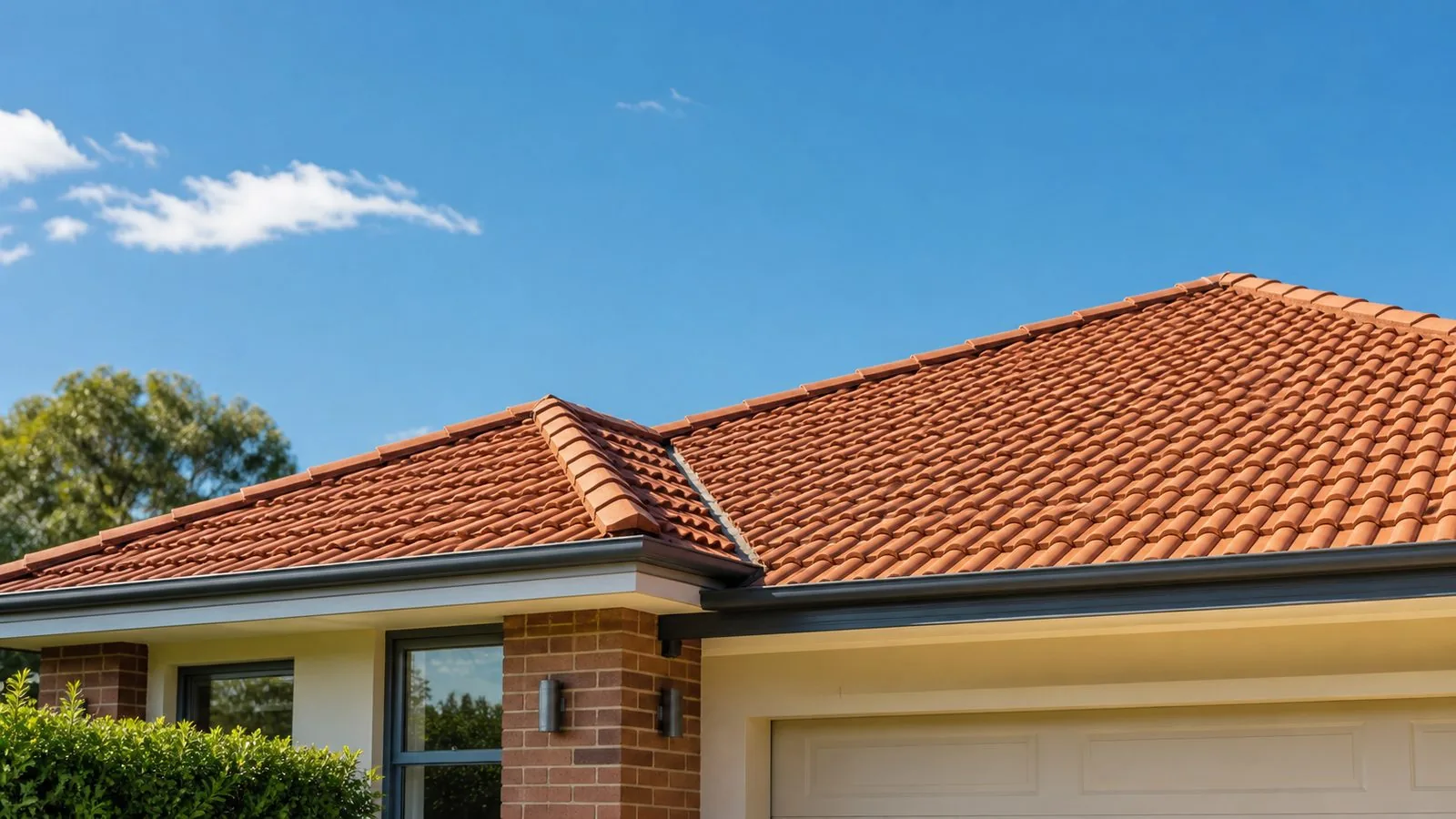
Use the open-roof opportunity carefully
Once modules are removed, the roofer may see defects that were previously hidden. Agree beforehand how additional findings will be photographed, explained and priced before extra work proceeds. Distinguish a defect within the agreed repair from an unrelated improvement. A photograph with a location and scale is easier to review than a close-up labelled only 'bad roof'. Ask whether the finding changes the original repair plan or simply needs recording for later maintenance.
On a tiled roof, useful questions include whether tiles beneath mounting areas are damaged, whether the tiles sit as intended around brackets and whether surrounding water paths are obstructed. On a metal roof, the roof contractor needs to consider the covering, fixings, penetrations and mounting interfaces. These are assessment questions, not instructions to modify mounting hardware. The solar and roofing systems must both remain suitable after the work, so neither trade should improvise changes to the other's components.
Avoid turning the access opportunity into automatic replacement of every roof item. Ask which components are inaccessible after reinstatement and which can be serviced later without disturbing the array. This helps prioritise work for practical reasons. If part of the roof is nearing replacement, discuss whether reinstalling panels over it creates avoidable repeat handling. That is a timing decision based on observed condition, not a reason to declare every older roof unsuitable for solar.
Plan removal, weather protection and reinstatement
Build the schedule around readiness checks rather than assuming each trade finishes on a fixed morning. Record when the electrical contractor can attend, when roofing access begins and what must be completed before reinstatement. Include the response to unsuitable weather and the contact responsible for rescheduling. The roof contractor should explain how the house remains weather-protected during the work. Equipment storage and roof protection are different responsibilities and should both appear in the plan.
Choose an agreed storage area that the contractors consider appropriate. Ask who handles, labels and inventories modules and mounting parts, who checks condition at removal, and how fragile equipment is kept away from household traffic. Do not volunteer to move panels yourself to keep the work progressing. If garden access, a narrow driveway or pets affect the work area, tell the contractor in advance. Practical access information is especially useful when coordinating separate teams at a Highfields or outer Toowoomba property.
Plan for the system being unavailable between removal and recommissioning. Ask for a realistic sequence without treating it as a guaranteed duration. A delay in roofing should not pressure an electrician into reconnecting an incomplete arrangement, and a solar booking should not pressure the roofer into covering uninspected work. Confirm how you will receive notice of changes and who updates the shared schedule.
Compare the scope behind the solar allowance
A roof quote that says 'solar by owner' leaves a substantial coordination task with you. Another quote may include removal but exclude storage, reinstatement or electrical testing. Write these differences side by side before comparing the totals. Ask whether mounting components, replacement damaged tiles, making good old penetrations and photographs of concealed work are included where needed. An allowance should identify its assumptions and explain how a change will be approved.
Separate restoration of the existing system from a proposed solar upgrade. Reusing existing equipment may require assessment; upgrading may change the layout and roofing interfaces. Obtain a clear recommendation from the solar contractor rather than assuming a larger system is the natural consequence of a roof repair. Ask for the roof implications of each option. This prevents a simple leak project from becoming an undefined combination of reroofing, electrical redesign and equipment replacement.
The common mistake is booking panel reinstatement before the roof scope has been confirmed. The remedy is a hold point: roof work photographed, repair area checked, unresolved items listed and both contractors informed. Another mistake is paying for a repair under an array without obtaining accessible evidence. Ask for the concealed-work record as part of completion, while the details are still visible and the people who carried out the work are available.
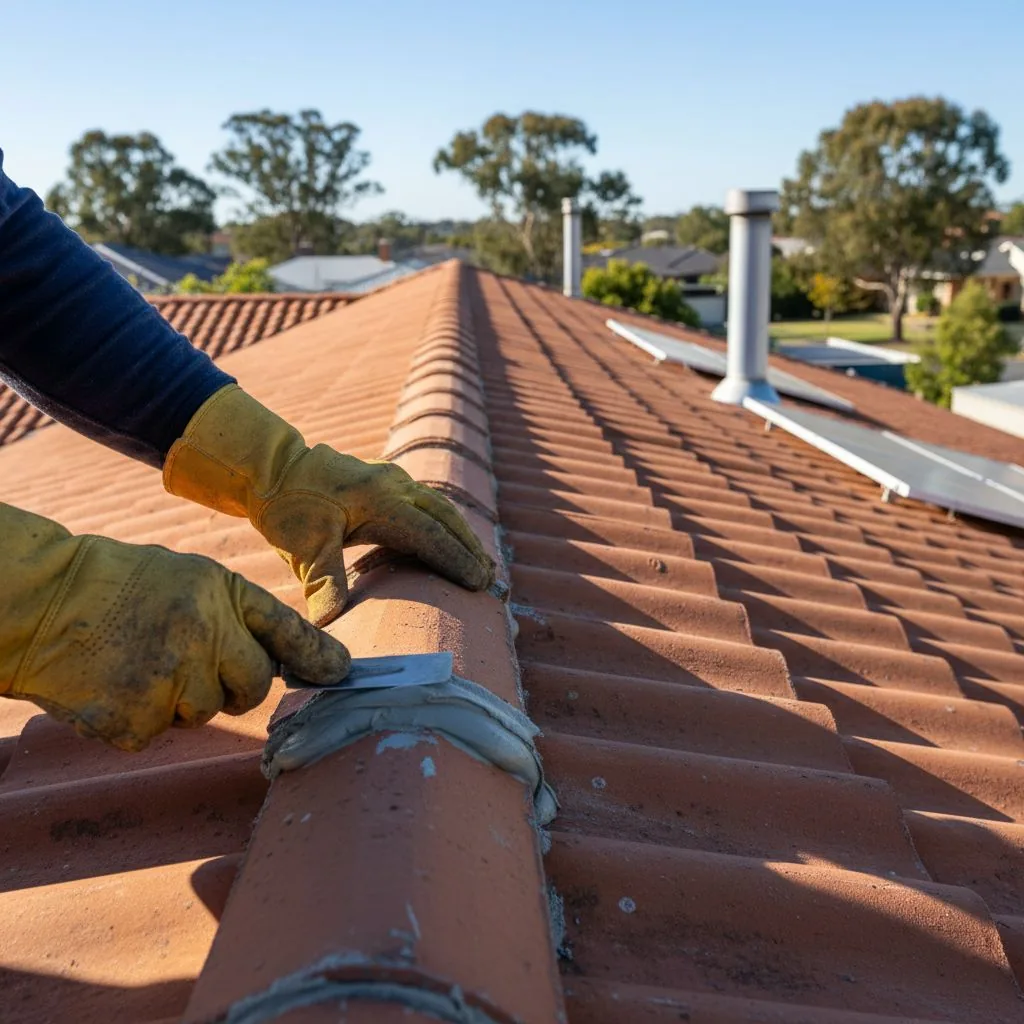
Hypothetical example: water beneath a garage array
A Glenvale homeowner reports a garage leak after rain. The array covers part of the slope above it, but the first inspection cannot see the full suspected water route. Instead of ordering a full array removal immediately, the homeowner asks the roofer to mark the area requiring access and explain the limitation. The electrical contractor then assesses the removal and reinstatement scope. Both receive the same roof sketch and dated interior photographs.
After access is opened, the roofer finds a damaged roof detail that extends beyond the initially visible area. The homeowner receives a marked photograph and revised scope before additional work starts. The panel reinstatement appointment remains conditional on completion of that scope. When the roofing work is finished, photographs are taken before it is obscured, and the solar contractor completes their own checks during reinstatement. The homeowner retains both records rather than a single invoice saying 'roof fixed'.
At handover, check that you have the roof repair description, the location of concealed repairs, the solar contractor's completion information and a named contact for each type of concern. Record subsequent rain observations and normal system operation separately. If another leak appears, this record helps establish whether it relates to the same roof detail, a different water path or work outside the original scope.